
At the end of the next section you’ll find out why on this blog and everywhere I write I’m calling Romania “Dacia” and Romanians “Dacians”, or “Thracians”.
Short Relevant History
Dacia (Romania) is the pearl of Eastern Europe and one of the richest and most fertile countries in the world. In Dacia everything has an addicting taste. Dacians (Romanians) have been there for thousands of years. Rome struggled to conquer them for hundreds of years BC, until the Roman emperor Traian managed to do it during his second campaign there, in 105-106 AD, after failing miserably in 101-102 AD. Even so, Rome conquered the Dacian territory south of the Carpathian mountains and north of Danube river. In the northern part of Dacia lived the “free Dacians” (the ones that had never been conquered). Rome’s reasons were gold, lots and lots of quality gold, women, mercenaries and gladiator material. Even today Dacia (Romania) is hiding massive amounts of the precious metal, just waiting to be exploited by the American or Canadian giant corporations. The only downfall is that mining it would destroy the pristine environment forever. The high level corruption and the fact that the country is run by the same communists from ‘89 posing as liberals, is not helping building a sustainable future. If you ask me, Dacia is a lost country and irreversibly damaged. I have worked as a Border/Coast Guard/Immigration Officer for almost ten years and I know things that make me believe this. After moving to the UK I found out that Dacia’s president has a general from the United States in his council. If that is not imperialism, what is? Get this: in ‘89 Dacia (Romania) had almost ZERO external debts towards other countries and the Monetary Fund. Can you imagine the power of a very rich country owing nothing to other countries?! If you understand what that means you might find that the country’s rate of growth that was about to set in would’ve been unprecedented. Do you still think that was a revolution?!
Going back to the past and origins of the Dacians, the features of the Thracian descendants were not in their favour, as they did not like to form a country, travel, conquer, or live in cities (traits that are still predominant nowadays). They adored drinking, fighting each other, partying and not being disturbed. This is why everyone wanted to conquer them. Dacia was covering a lot of territory back in the ages and even until recent times, up to the end of the Second World War, when it was forced to give away territory to neighbouring countries. Before the migratory people started moving towards Europe there was no Bulgaria, Hungary, or other Slavic countries around. Having no desire to conquer was against the Dacian people and everyone that tried to move in wanted a piece of this rich land. During history they had to learn how to make peace, even if they were some of the best fighters the world had ever seen. Being attacked from all sides can easily destroy even the toughest armies. With time they kept some of their main traits, but have become a highly welcoming nation. This also happened when the Indians (Gypsies) started spreading across Europe. There is no other country that accepts minorities better than Dacia, not even the UK. The only issue with minorities is that they want to change the indigenous people to the extent of creating a new country of their own, like the migrating Hungarians, and Dacians don’t like that. Tell a Dacian he’s not allowed to drink, party, that you want its space, or to change its ways and you’re in for a proper fight. The problem with Thracians was that they didn’t like writing about themselves or leave something significant behind as proof of their way of life. In modern history the Greeks are saying they are the Thracians, but the Thracians south of the Danube fought against the Greeks during the Trojan wars. That makes no sense whatsoever, so be careful which books you read. They aren’t very many about the Thracians and based in their entirety on Greek writings and wrong assumptions. Dacia (Romania) has a lot of information about our history, like the Thracian capital at Sarmisegetuza (the Machu Pichu of Europe), but no one goes there to see it, or even speak with the historians. Mostly, the books are written by Americans, or maybe British and they don’t know what they’re talking about. Use them as toilet paper. You can find details about the Dacian wars on Traian’s column in Rome.
By the way, the real name of Romania is “DACIA”. “Romania” is a made up name originating from Italian chronicles with the general meaning “coming from Rome”. Dacians never came from Rome. How could they have come from Rome, if the Romans went to conquer them? In fact, when the Roman emperor Traian started his campaign in Dacia he declared, “I’m finally going back to my ancestors”. Till today it’s still a mystery why he said that. Just imagine the lie Dacia is living being named Romania and having a national anthem in which Dacians praise the Romans… To all politicians in Dacia, FUCK YOU! You’re not Dacians, you’re Romanians made from poisoned seed!
This being said, Dacians have a saying: “if you die without seeing Dacia, you haven’t seen the world”.
Dacia sits in the top five destinations you should visit during your lifetime and the reasons are endless.
Seaside
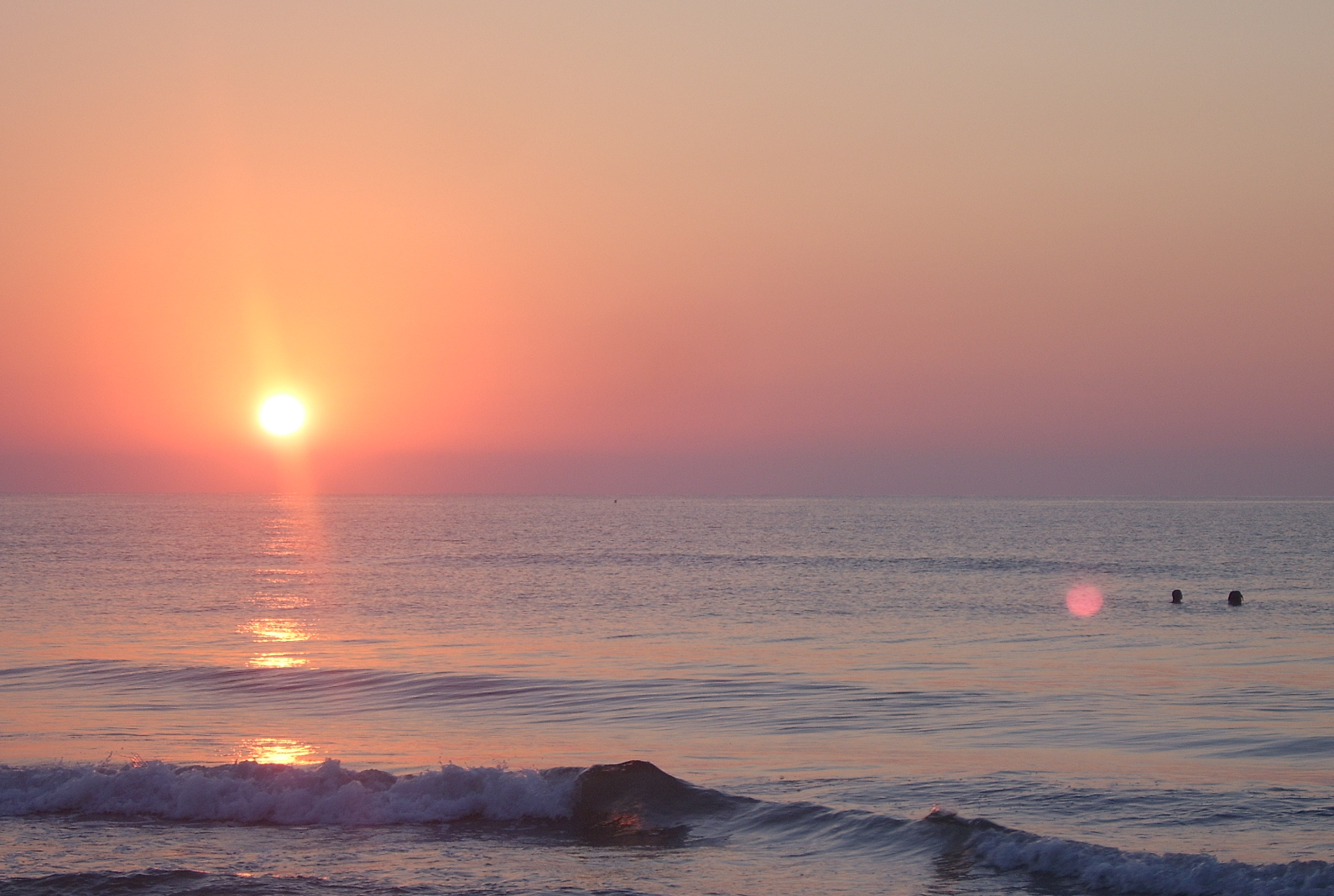
Dacia has one of the most beautiful seaside on the Black Sea. From luxurious resorts with beach bars like in the Caribbean and some of the biggest music festivals in the world, to hippie seaside villages with night parties and off the map camping beaches barely touched by humans. If you want too see an amazing spectacle just head to where the Danube river spills into the sea. At the peak of summer in July-August the sea water temperatures can reach 24°C-26°C, or even 28ºC in some cases. Dacia has powerful winds even during the scorching summers (35°C-40°C), good for kitesurfing and other water sports, and an impressive seaside when the Black Sea freezes at -30°C and people go drift on the ice with their cars.


The Dacian seaside has places and attractions for every taste, both if you want to spend, or save money and still live like a king. What Dacia is not good at is all inclusive. There aren’t many hotels offering this.
Capital
Dacia’s capital is Bucharest and the biggest city in the country, with over 2 million people living there. From traditional gourmet restaurants to international cuisine you have it all. It’s a city that is modernising slowly and what was once called “Little Paris” is now a combination of old and new, with huge boulevards, European architecture and the main attraction, the Houses of Parliament, still in top 5 of the biggest buildings in the world in its category. As advice, do not give money to beggars and stay away from the harassing gypsies in the main train stations and bus stops, the dark Indian looking people. Do not talk to them at all if they come to you and ask for money. It’s like in Paris’ Gare du Nord or Metro stations. If you ignore them they will go away. Other than that Dacia is one of the safest countries you can be in. Dacians are very welcoming with foreigners and they will make you feel like home.
Other stunning big cities you should visit: Constanța with the main beach resort called Mamaia, Timișoara, Cluj, Iași, Brașov.
Mountains
The Carpathian Mountains are some of the most impressive in the world, with rich and dangerous fauna (still), natural clean springs everywhere and a lot of clean air. Dacia has the cleanest spring waters and it is thought that the spring of life is hidden in those mountains. When travelling in Dacia the mountains are a must. If you plan to really enjoy it, book at least two weeks in this country, rent a car and go explore the main and hidden attractions. On top of your local guide don’t be shy and ask locals about the gems. They’ll love to help you. Do not visit Dacia (Romania) using a guide written by foreigners only. You’ll find guides in English and other international languages at your destination, written by locals.

Danube Delta
Dacia is bordered in the south for over 354 km by the Danube river and is travelled by a total of 1,050 km of the river, as it curbs into the territory heading towards the Black Sea. It is the country with the highest share of the Danube and a unique Delta in the world, where the river makes love with the sea. Visit the entire flow of the river and discover the different flavours of lower lands Dacians and finish your journey in the delta. You will be delighted with amazing food, mainly fish, while serving dishes you’ll never find anywhere in the world. The tastes are addictive and you’ll want to go back. Bring mosquito protection, you’ll thank me later.
Castles
With a tumultuous history thousands of years long, Dacia has developed a powerful and visually impressive culture. Being influenced by the great powers of different ages, the castles left behind by Dacian and foreign kings that ruled different areas of the territory are a treasure. From Vlad Dracul’s (real king that inspired Dracula) castles in Transilvania and Ștefan cel Mare (Stefan the Great) in Moldova (the Dacian region, not the country), to the ones from the Austrian-Hungarian domination, your medieval architectural tastes will be delighted. You will leave the country with knowledge you never had before and a different understanding about living very close to nature, people and history.
As a fact, during his fragmented rule, in order to make peace with the Turks, Vlad Dracul (Dracula) was forced to give Dacian children away for the Otoman Empire’s army. That was one main criteria for peace. The Turks also wanted to dilute their genes. This is why if you see Turkish people that look like white European they most probably have been mixed with Dacians, or other European genes.
Food
Dacians like drinking wine and powerful spirits made by them from fruits or flowers, eating really tasty food, partying and thinking about the world. I mean what else can you do in a pristine countryside when you have everything you need at its best quality. These people are experts in pork, beef, poultry, wild hunt, fish, sheep and goat. Starting as a nation of animal growers, especially shepherds and fishermen, it’s understandable that here you’d find some of the best steaks, sausages, cheeses and vegetables. And definitely the best soups on the planet. Just ask about the traditional rooster soup. Oh, man, that’s sooo good! If you’re thinking about having something unique, try to find wild boar sausages or, if you’re a fan, have a brown bear claw dish. Yes, that’s right! In the high society that’s really appreciated. Expect the high price you’ll see at the end.
Wine
This is my favourite topic because when I was younger we used to have our own farm with vineyard, usually producing over 2,000 litres of high quality red wine each year. If you don’t know already, wine should be made 100% from grapes. When Dacians buy bottled wine from the shops they have a saying: “you know, sometimes wine is made out of grapes”. That’s with reference to what wine producers are doing to the heavenly liquor, meaning they “bend” it with something else. For your information, some countries have a “wine law” that bans companies from making wine with less than a certain percentage of grape, usually not less than 40%. Yeah, that’s right! What the rest of 60% is is a company secret. During communism in Dacia people had been sentenced to death after being caught making wine and other drinks from chemicals. Don’t forget that Dacians used to prey to Dionysus, the god of wine and parties. Dacians are all about quality wine and this is why in Dacia (Romania) you will find the best wine in the world. And I’m not talking about the bottles on the shelves with sulphites and a low grape content, but the wine produced in the farms. While countries like France, Spain and Portugal are fighting for the first place in wine quality, Dacia (Romania) is in a top league of its own, with the above countries not getting even near to the quality of Dacian wine. Recently I visited Quinta de Sant’Ana in Portugal, while on a surfing holiday. The place is idyllic and they even have their own qualified sommelier that talks you around the place. She is French and I was shocked when she told me she doesn’t know anything about Dacian (Romanian) wine. She did not know, as sommelier, that this country is a major wine producer! I heard sommeliers in London presenting Dacian wine, so if you don’t know about it, you’re definitely not a sommelier. Dacia has legends thousands of years old about the kings burning the vineyards because they couldn’t drink due to health conditions, or couldn’t manage to raise an army, as the people were drunk all the time. So, those were times when these wine producers and list toppers nowadays weren’t even in the plan. If there is a country that invented quality wine, that’s Dacia (Romania) without any doubt. During your visit you’ll have the chance to visit local farms that will sell you completely natural and very powerful wine that will cost you almost nothing. Be careful though, don’t drink too much at once, or you’ll get hammered really fast! That wine is not like the one you’re used to. You’re in Paradise, enjoy it! Slowly!
Folklore Concerts & Theatre
In their writings the Greeks were amazed by the Thracians’ ability to create music that made sense with the minimum of instruments. When you travel to Dacia (Romania) you can find loads of shepherds or countrymen playing the flute in plain fields or forests, on their houses’ alleyways, during village events, or while hoarding their animals on the green fields. You’ll take those sounds with you forever. The biggest pan flute player is from Dacia.
Dacia has loads of folklore events mainly in Bucharest and I highly recommend you to book one straight away. You might not understand the lyrics, but you’ll see a unique arrangement of classical instruments that produces a music you’ve probably never heard before. Do this and learn about a very old culture that kept the great Dacian spirit alive for thousands of years. If it’s in the Greek chronicles it must be good, right? At some point the Greek warriors started to wear the Thracian popular robes and war outfit as a sign of power and skill. Dacian culture was that good.
As well, if you want to enjoy witty theatre that’s not as commercial as the one you know, but quite odd here and there, go on and have a beautiful experience in one of the national theatres. Some might be in English but most have no translation, unless they offer you headphones for that.
Thermal Waters
Back in the days Dacia was world renowned for its thermal waters and healing mud. Yes, your eyes are reading properly! There are three main areas in Dacia famous for thermal waters, in the South-West at Băile Herculane (Herculane Baths), in the North-West at Băile Felix (Felix Baths) and in the South-East on the Black Sea coastline. The latter is also famous for the healing mud that forms on the bottom of the unique salt water lake in Europe, lake Techirghiol. If you find out about these areas now, you’re way behind other foreigners that go there almost every year. The thing is the country is not investing enough to preserve and improve these natural treasures and in some part they look degrading and way under exploited. Politicians prefer to invest in something else, like their Porsches…
Festivals
Dacia is a country that loved music since ever. This is why it hosts some of the biggest festivals in Europe and in the world. Whether you’re thinking of partying on the beach all summer long, in the mountains while camping, in a lodge, or in hippie locations listening to folk, Dacia has it all. This country is also a big name in quality electronic music and festivals like The Mission and Sunwaves will delight you with the biggest local and international names. Then you have film festivals and classical music. I told you, Dacia will delight your senses no matter how odd you are.


Churches
More than two thousand years ago Dacia had schools where they were teaching religion and philosophy, worshiping Zamolxes, the god of Sun and Ares, whose son was named Thrax. Very few people know this history and besides wanting their children to master the art of war, Dacians wanted their kids to have a high education too. Proof is the rich culture in every field. In our era the Dacians (Romanians) are Christian Orthodox like the Greek. This beautiful country is host for the most beautiful churches in the world, with saints painted on the walls and scenes depicted from the bible that will take your breath away. There is even a shade of an amazing blue, specific to one of those churches, called “Voroneț Blue”. It is said that it cannot be reproduced. When attending a Dacian ceremony you really start to understand that it must be something out there, even if you’re an atheist.

Dacians also love humour and they invented a unique cemetery called “The Happy Cemetery”. When a person passes away an artist composes a funny poem about relevant traits of that person’s character or life. People usually go to that cemetery and laugh their ears off. Now that’s a good reason to go there! The headstones and crosses are works of art too.
Dacia, wrongfully called Romania, will put the life back into you. Visit, protect the environment and preserve. Your children need to see and enjoy it too.
Travel yourself to life!
Report a Typo or Mistake within this article here.
You can Buy me a coffee here… 🙂